Which Gym is Best?
Choosing What is Right for YOU
Which gym is right for you?
If you are thinking about starting to go to the gym, you are in what is called the contemplation stage of working out. You may be thinking about what clothes you have or need, what times you can commit to, what foods you need to buy, and possibly even supplements. But one more decision you will likely need to make is which gym is best for you.
Already you may feel like you're experiencing decision overload. Let me help simplify things. Choosing a gym can be exhausting, because there are many factors to consider.
How far away is it?
If a gym is too far from your home or workplace, you are less likely to stay consistent with going. Convenience matters more than many people realize, especially on long workdays when motivation may already be low.
How crowded does it get?
A large crowd can be discouraging for some people. If being around many others makes you uncomfortable, it’s important to ask not only if the gym gets crowded, but also
when it gets crowded.
Does it have the equipment you want?
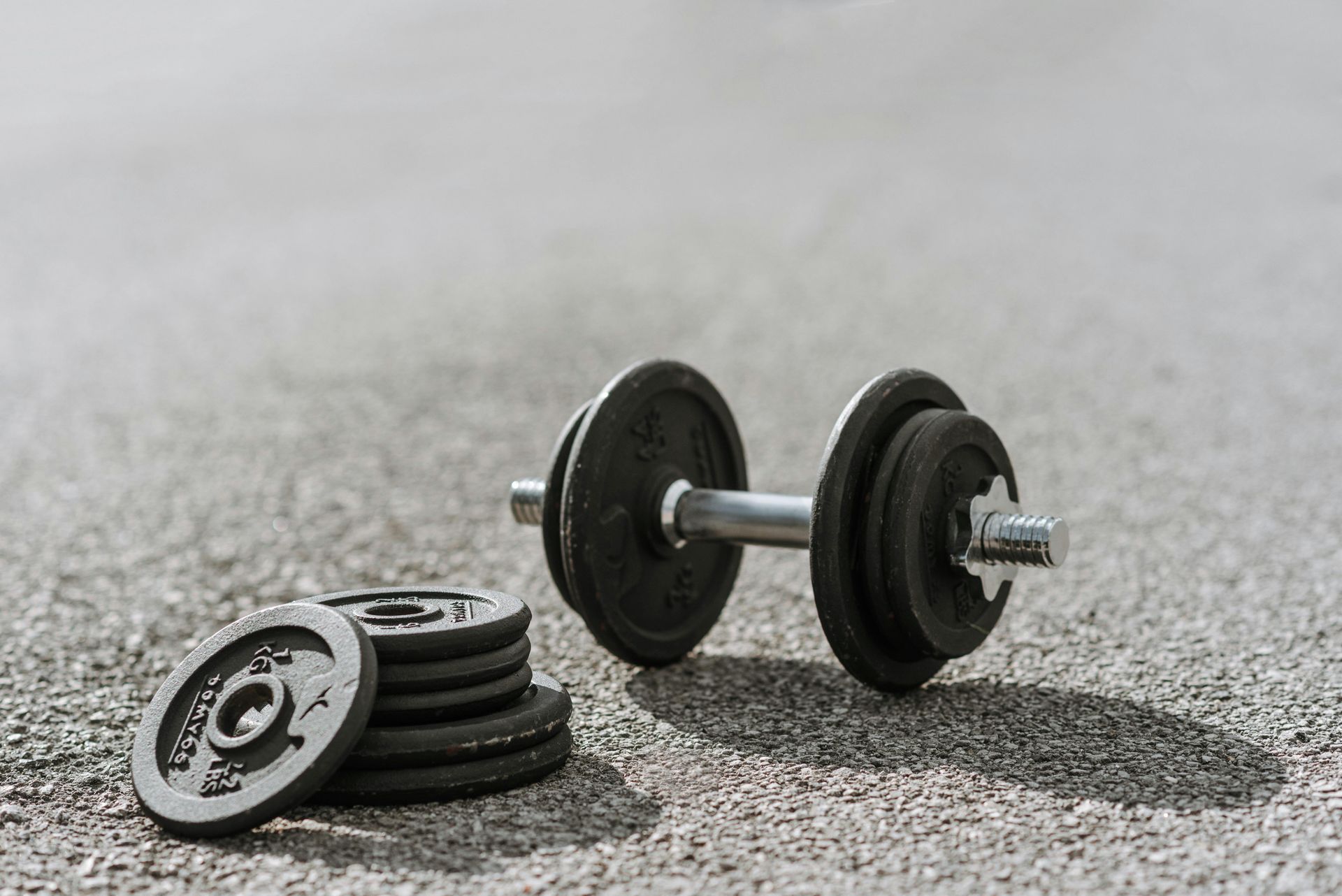
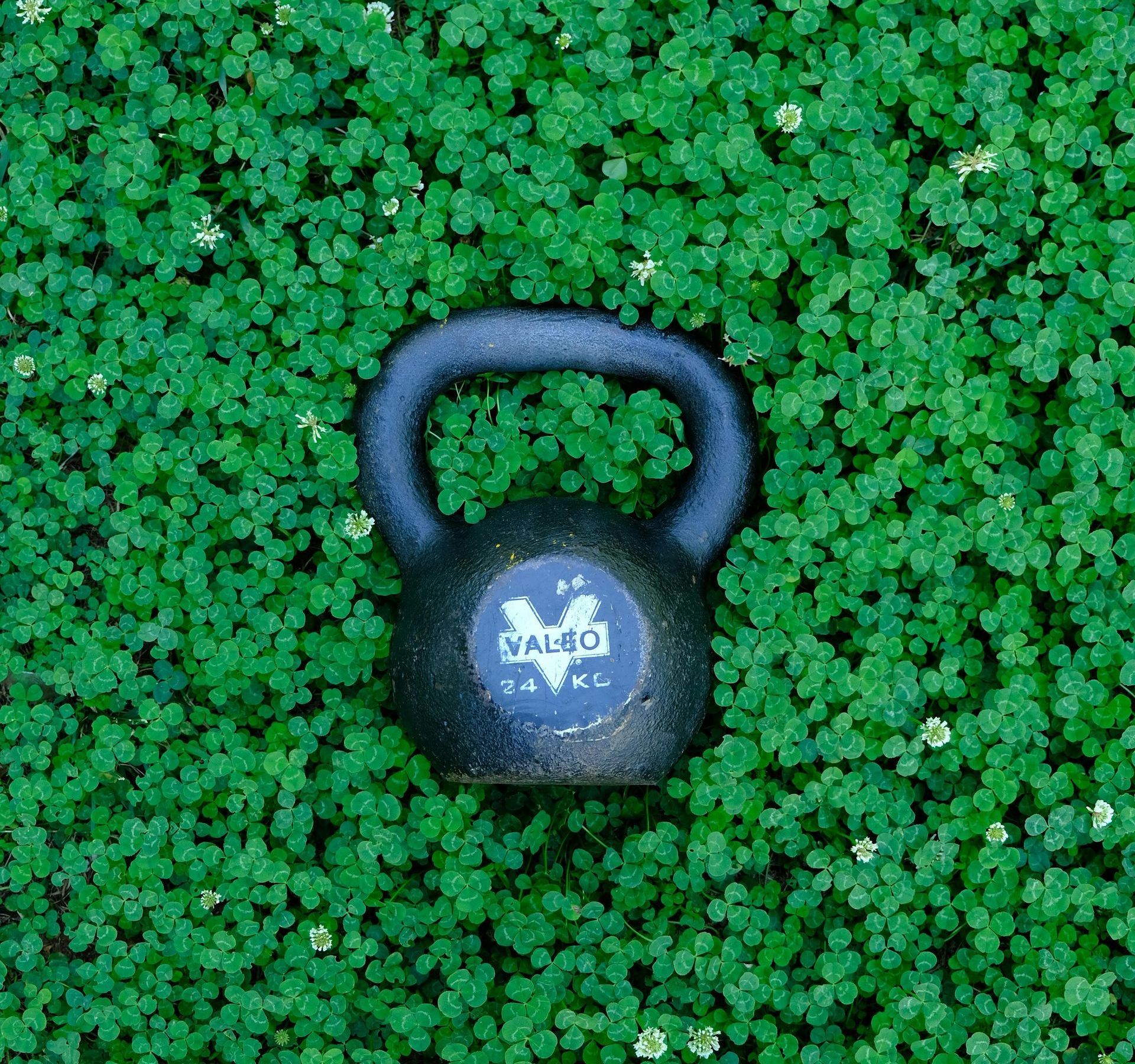
Some people prefer free weights such as dumbbells, barbells, and kettlebells, while others prefer machines or cable systems. You may also want specialty equipment like sleds on turf, battle ropes, or functional training areas. Not every gym offers the same variety.
Can the staff show you how to use the equipment?
If you are new to working out, this is an important question. A knowledgeable staff member should be able to show you what different equipment is used for and how to use it properly and safely.
Is the gym open 24/7, and what are the staffed hours?
Many gyms offer 24-hour access. However, some people prefer to work out when staff are present in case they have questions or need assistance.
How often is the gym cleaned?
While further down this particular list, this should be near the top of everyone's list. Ask not only how often the gym is cleaned, but also
how it is cleaned. Members should always be expected to wipe down equipment after each use. Cleanliness helps protect everyone who uses the facility.
Do the doors lock during unstaffed hours?
This is an important safety measure for both members and the facility. Allowing non-members to “piggyback” into the gym or walk in without signing a waiver creates risk for everyone. Waivers help protect the facility from liability and often include conduct policies that outline how members should treat the equipment and other gym users.
Is there a dress code policy?
Different gyms have different expectations. Some require full shirts at all times, while others allow shirts to be removed during training. Some facilities allow training without shoes in specific areas, especially for exercises like deadlifting. Understanding the environment beforehand helps ensure you will feel comfortable training there.
Ultimately, the best gym is the one you will actually use consistently.
The most expensive gym with every piece of equipment imaginable will not help if you rarely go. On the other hand, a smaller facility that feels welcoming, safe, and convenient may support your goals much more effectively.
If possible, visit a gym before committing. Many facilities offer tours or short trial memberships. Walk around, observe the atmosphere, speak with some of the members - if they are between sets (Meaning not currently using equipment) - and see how the staff interacts with members.
In some cases, building a home gym is what works best - and is often cheaper over longer periods of time.
Your fitness journey should start in a place where you feel comfortable, supported, and motivated to show up again tomorrow.
Because in the end, the right gym is simply the one that helps you keep going.
The Bridge: Bridging Your Wellness to Move Better, Feel Stronger, and Live Empowered