Lets Get Personal

Crystal Thackston • March 24, 2025

Self Consciousness as a Professional

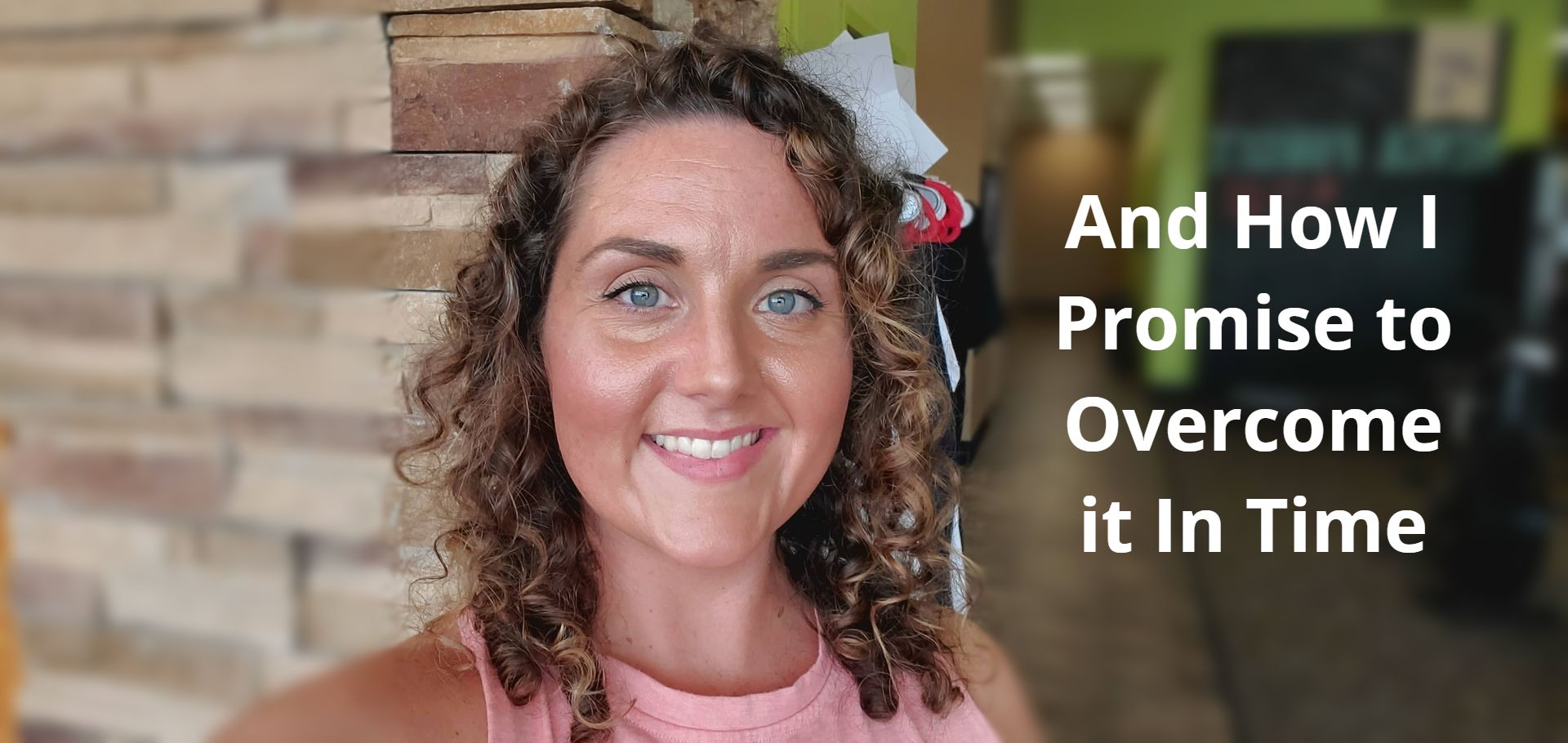
Like many others, I often feel self-conscious about different aspects of my body, personality, and even my unique thought process.


My belly pooch? That’s just my uterus.


I can be overly talkative—really, I'm just friendly and genuinely curious about others and the world.


I think and process information differently from the masses, and while that sets me apart, it also fuels my self-criticism.


The list of perceived flaws goes on, even though I know I’m often too harsh on myself.


A major source of this self-doubt comes from my varied life experiences and the many jobs I’ve had. Whether I was scooping ice cream at a local shop, spending five years in marine biology, modeling for Abercrombie & Fitch, or delving into art and architecture—each role, from earning my degrees in education and teaching to even a brief stint in law enforcement (surprise, that’s not on my resume anymore)—has contributed to who I am today.


What some might call “job-hopping,” I see as a journey of discovering where I belong—a place where I can be happy and make a living. Looking back, I realize that every step was part of my preparation to become a Personal Training and Nutrition Coach. It all started with a deep love for gym class and an early exposure to allied health sciences.


Then there are my many, unavoidable chronic illnesses (more on that in another post someday). These experiences have compelled me to guide, teach, and help others understand their bodies. My varied background now fuels the most fulfilling and enriching career of my life.


With my education background, I break down complex concepts into easily digestible lessons for my clients. My experience in art and architecture not only deepens my understanding of the human body’s structure but also enables me to help clients design their dream home gyms. Each of my diverse roles has given me insight into how different careers affect our bodies—whether through prolonged movement or a more sedentary lifestyle. And my personal ailments? They’ve given me firsthand insight into the digestive system, chronic pain, fatigue, and the overwhelming feeling that can come from life’s challenges.


Consider, too, the countless hours spent preparing for and passing certification exams that were arguably tougher than any collegiate test I’ve ever taken, along with the ongoing education and extra specializations I pursue to become a better professional.


So, why should I be self-conscious? My body tells the story of my battles; my life experiences have made me a wiser, stronger person; and, frankly, I am damn smart.


Without delving too deep into the science, it all comes down to our brains. From hurtful comments by family members to bullying at school, from poor leadership and workplace jealousy to tired teachers who no longer listened—our brains store all these experiences as a form of protection. Unfortunately, that protection often turns into overprotection, making us hesitant to step into a gym, listen to recordings of ourselves, or even get off the couch.


One area where my self-consciousness has really held me back is in sharing my journey consistently—both on social media and on my website. The nagging fear of judgment and the inner critic sometimes make it difficult to put myself out there as authentically as I want. But I’m taking steps to overcome this challenge. By setting small, achievable goals for regular posts, seeking support and honest feedback from trusted friends, and reminding myself that vulnerability is a strength—not a weakness—I’m gradually learning to break free from that cycle of inaction.


Our lives and talents—no matter how unique—shape us. It might be easier said than done, but I encourage you to pick one thing you’re self-conscious about, explore why you feel that way, and uncover the truth behind it.


Then, find a way to embrace it. Love it. Flaunt it.


To everyone out there who wants to dive into fitness or nutrition but isn’t sure where to start—reach out. Maybe you just need my awkward compliments and quirky perspective. Perhaps you need some solid guidance on nutrition, or maybe you’re looking for a trainer. Whatever it is, I’m here to help.

The Bridge: Bridging Your Wellness to Move Better, Feel Stronger, and Live Empowered
By Crystal Thackston March 9, 2026
Choosing What is Right for YOU
By Crystal Thackston March 2, 2026
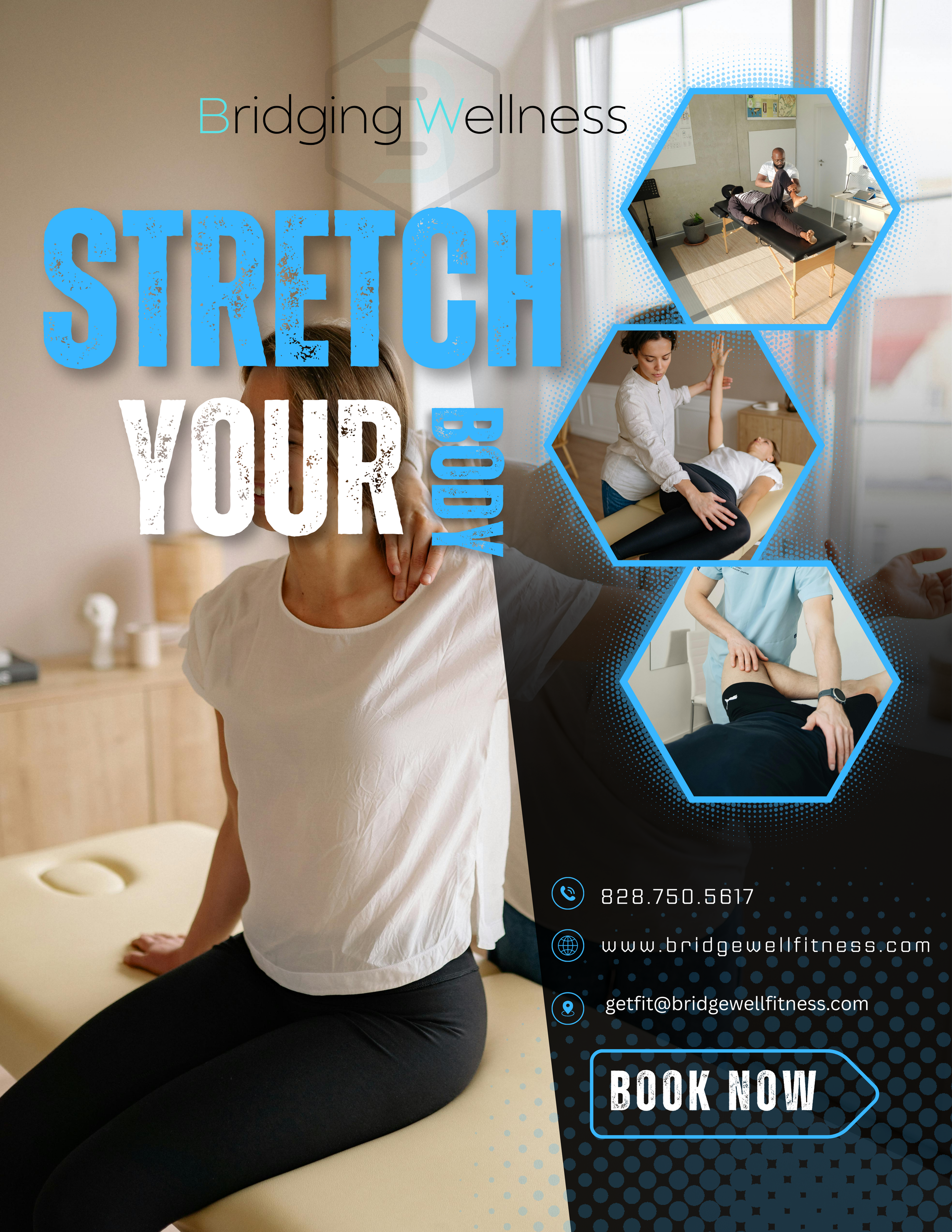
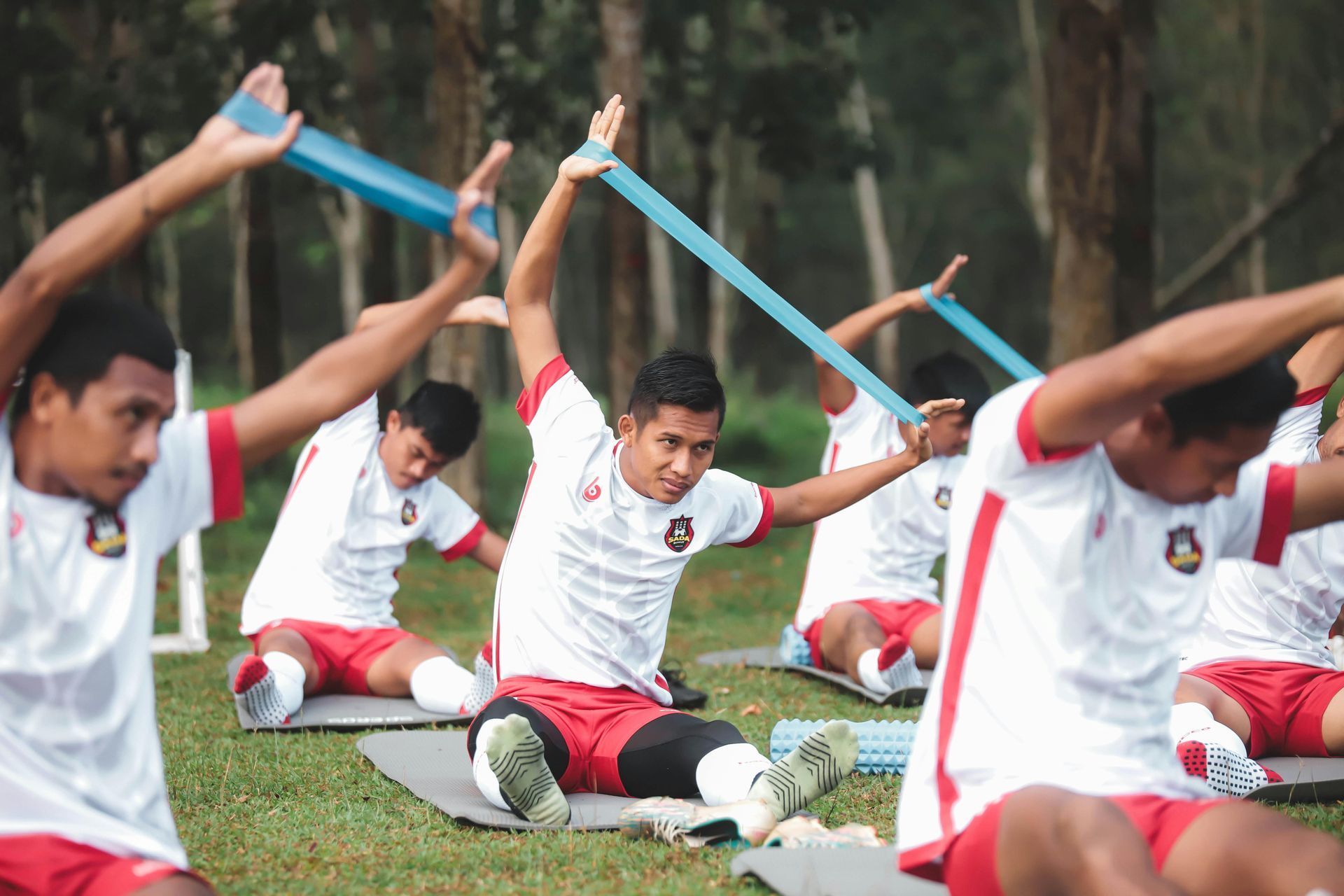
What does assisted or facilitated stretching mean? "Assisted" and "Facilitated" are interchangeable terms meaning that a professional is physically moving your body through controlled and slow-moving motions. The goals of assisted stretching are to improve mobility, reduce tension, and support overall movement quality. Although we can stretch on our own, assisted sessions help professionals achieve deeper and safer ranges of motion than most individuals can by themselves. Benefits of stretching are: Improved mobility and flexibility Reduced muscle tension Enhanced posture Faster recovery Increased movement efficiency Support for strength training and daily life Clients' first visit with a Bridging Wellness flexibility professional includes a brief movement assessment. Often, physical imbalances or limps are clearly visible in the way we move; whether we are walking, shifting our weight while standing, or leaning slightly forward, these signs usually require no special attention because they naturally stand out. Sometimes your flexibility and stretching professional will run you through what may seem like simple exercises: walking, squatting down, raising your arms, and simply standing. Certain specialists and stretching centers use cameras and apps to track your movements and identify sources of pain. While these are neat systems, they are less accurate (for now!) than a professional who knows what they are looking for. It is also important to note that not everyone can move through the motions of either the apps/cameras or what the stretching coach may ask for and that is OKAY. This is where your voice comes in most handy, and the professional can still usually see why and where you need a series of stretches. From the movement assessment your stretch professional will decide on a protocol - this is like a prescription but for stretching - where they will decide on the best stretches that will make the most beneficial impact for the time you have during your future sessions (typically 30-45 minutes). Now comes the breathing. This is something we involuntarily do, yet we still tend to refuse to breathe while we stretch. The "why" of this is fairly complex but the breakdown is this: A stranger is touching your body while asking you to remain calm. You are also already tense or in pain and your brain knows it. This combination alone often causes us to tense up and want to resist the stretch and eventually we hold our breath just to get through it. This is NORMAL and not at all anything to apologize for, which is often what clients will do when they realize what is happening. I know this may sound a bit torturous, but the stretching process is anything but that. How to manage the first session is to carefully listen to your coach; They will give you a designated system to always have a voice in how far you stretch. The coach will then coach you through how to breathe, which is simply to breathe deeply and slowly through your nose and gently out through your mouth. What is this doing? It is regulating your nervous system! In turn, your body is more relaxed and ready for the stretch, and your coach can proceed with each stretch. Once your session is complete, the coach will usually give you stretches you can do on your own to further benefit from the stretches and hold you over until your next session. What if you prefer not to be touched? A significant number of individuals choose to minimize physical contact, with such preferences often originating from a range of experiences, including those that may be traumatic. Excellent news: Bridging Wellness understands the deep grips of trauma and offers guided flexibility training so that you can feel safe and stick to your boundaries. Rather than physical contact, you will collaborate with your coach in person or online. These sessions are similar in structure with the initial session having a movement assessment, a walk-through of breathing and a system to know when to stay in a stretch and when to gently back out of it, and then the coach will guide you through self-stretching techniques so that you can benefit as well. Who all benefits from stretching? The easy and most basic answer is anyone and everyone. People who stand in one spot for hours, or move minimally while standing for hours (Doctors, factory workers, stretching coaches); people who sit for many hours (Office employees, some law enforcement, truck drivers, people who fly often), overactive individuals (athletes, dancers, lawncare workers, military, law enforcement, nurses); and many others with chronic illness have found benefits from assisted stretching. The BEST part (aside from how much stronger and better your body will feel) is that we can come to YOU. Many of our clients are busy at work and only have their lunch break - we can come to you - and several of our clients have chronic illnesses that prevent them from being able to, or make it difficult to, leave home. Nobody should be prevented from moving better, feeling stronger, and empowering their life . Call or text 828.750.5617 to book your first session TODAY.
By Crystal Thackston October 21, 2025
Healing, Strength, and New Beginnings
By Crystal Thackston July 4, 2025
Lets Talk
By Crystal Thackston March 25, 2025
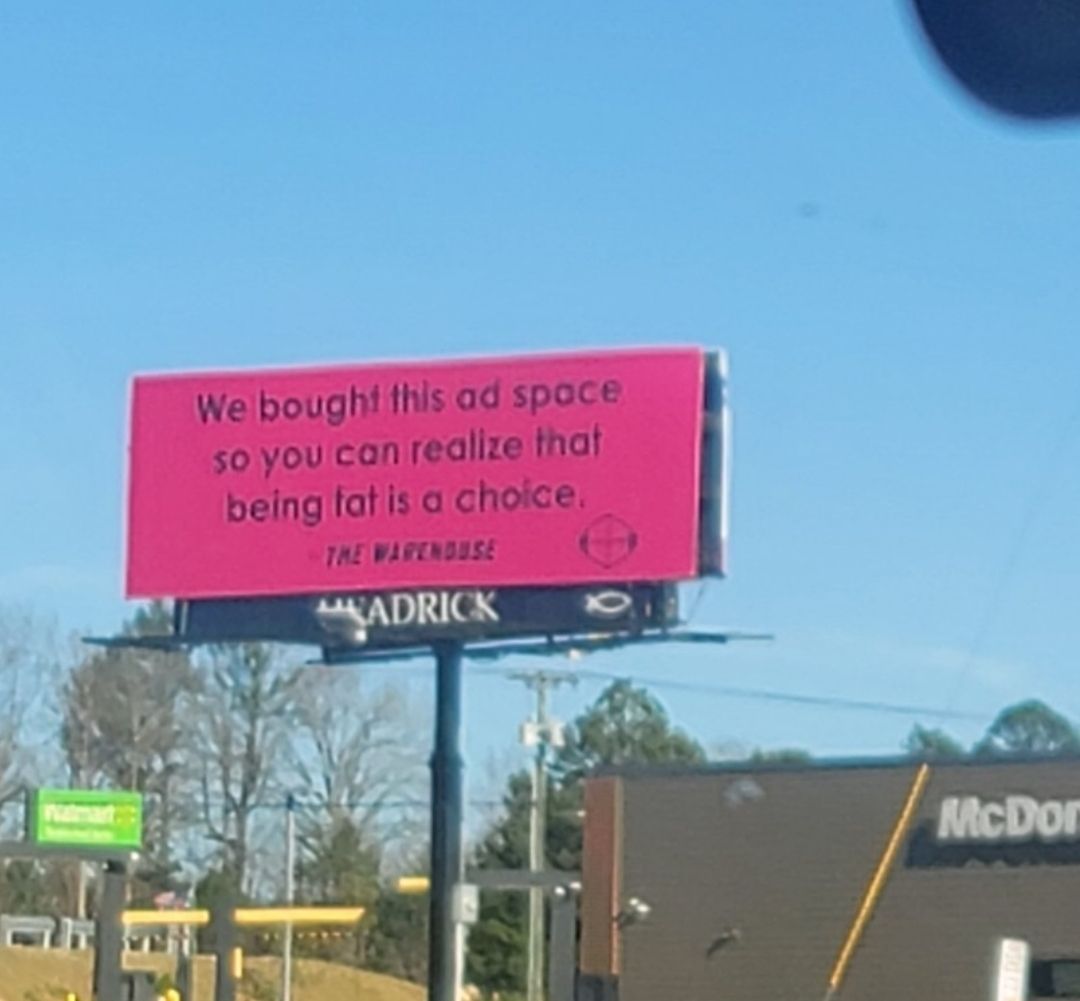
My Thoughts on a Local Billboard Ad
By Crystal Thackston February 4, 2025
Your Home Gym in a Bag
By Crystal Thackston January 7, 2025
Why They are Perfect for Any Fitness Level
By Crystal Thackston January 1, 2025
A Beginner's Guide to Strength and Fitness
By Crystal Thackston November 20, 2024
Tips for Balancing Family Time and Wellness
By Crystal Thackston February 28, 2024
Navigating Modern Convenience and the Imperative for Movement
By Crystal Thackston January 3, 2024
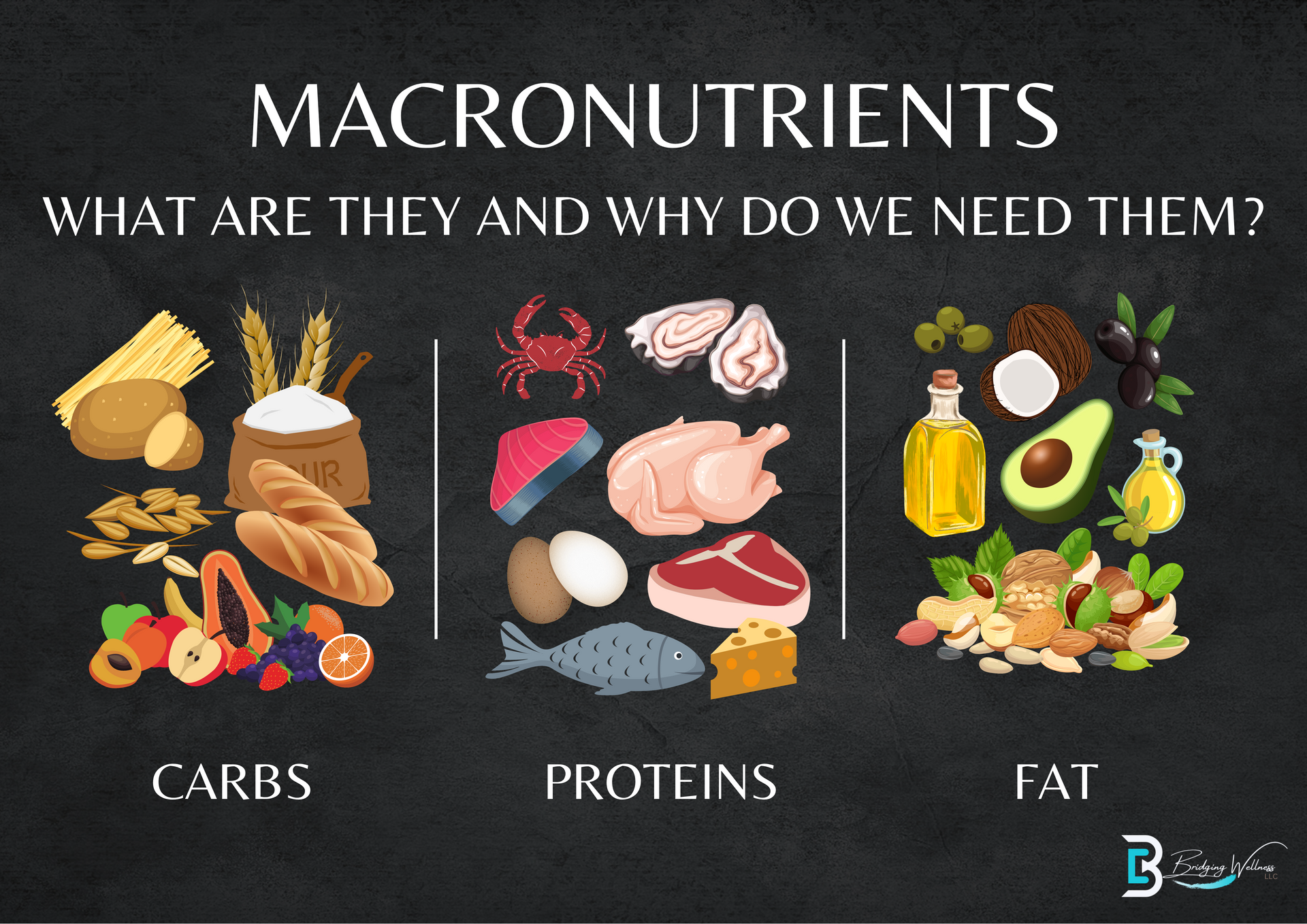
A Comprehensive Guide to Fueling your Life
By Crystal Thackston January 2, 2024
New Year, New Habits
By Crystal Thackston November 23, 2023
The Thanksgiving Fitness Truth
By Crystal Thackston November 7, 2023
Your Guide to Healthy Celebrations
By Crystal Thackston November 2, 2023
Unlocking Your Potential: The Comprehensive Guide to Strength Training and Its Impact on Your Health
By Crystal Thackston September 12, 2023
September 11 2001