The Transformative Power of Strength Training for Overall Health

Crystal Thackston • November 2, 2023

Unlocking Your Potential: The Comprehensive Guide to Strength Training and Its Impact on Your Health

Strength training is often associated with bulging muscles and bodybuilders, but its benefits go far beyond aesthetics. As a personal trainer, I have witnessed the incredible impact of strength training on overall health. Lets delve into the various advantages of incorporating strength training into your fitness routine!


  • Improved Muscle Mass and Function

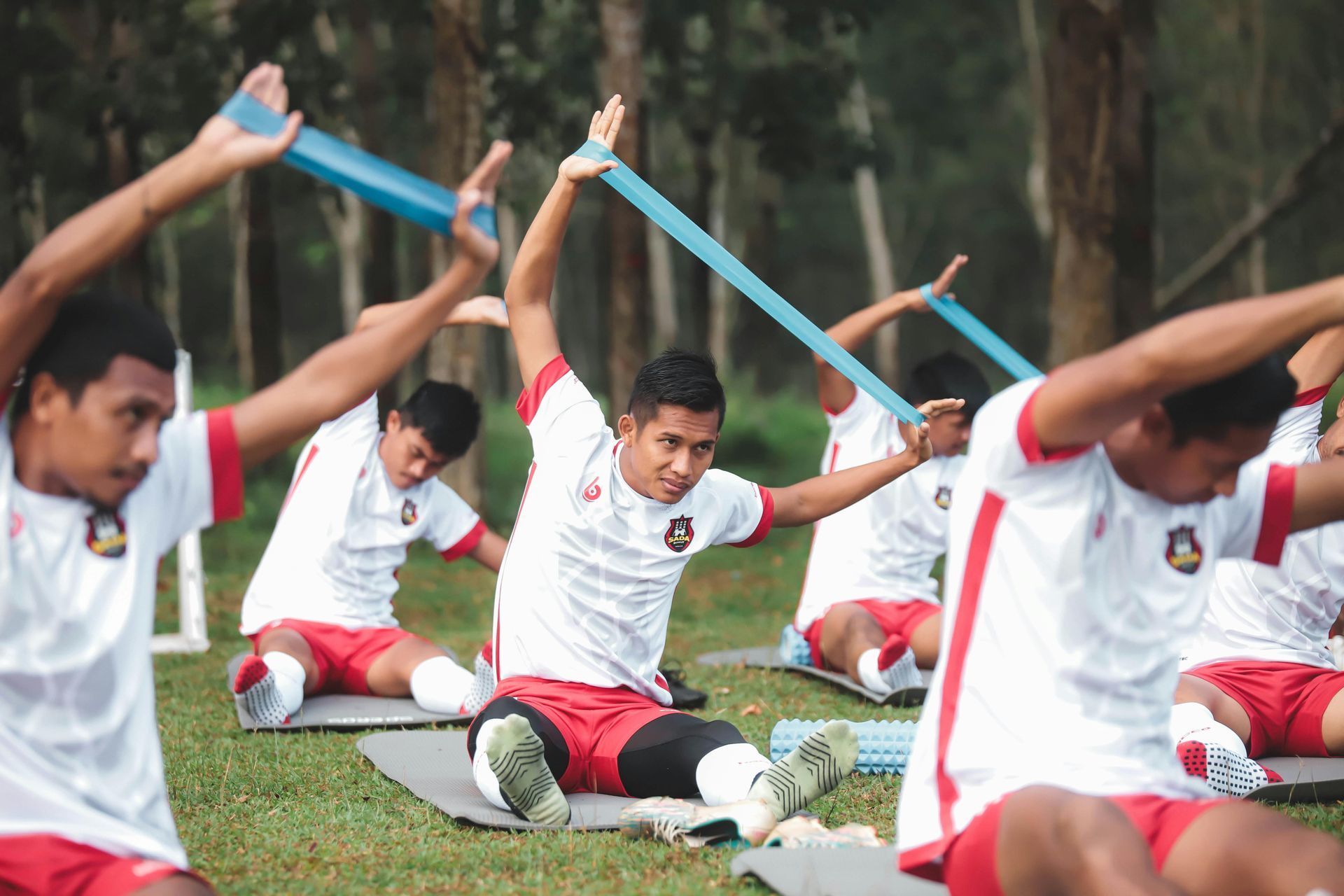
One of the most apparent benefits of strength training is the development of muscle mass. However, it's not just about looking stronger; it's about being stronger. Regular strength training helps increase muscle mass, which in turn enhances overall physical function. Whether you're lifting weights, performing bodyweight exercises, or using resistance bands, your muscles adapt and grow stronger, leading to improved daily activities and reduced risk of injury.


  • Boosted Metabolism

Strength training can supercharge your metabolism. Muscle tissue is more metabolically active than fat, meaning that the more muscle you have, the more calories your body burns even at rest. This can be a game-changer for individuals looking to manage their weight, as it makes it easier to create a calorie deficit, aiding in fat loss.


  • Enhanced Bone Health

Strong bones are crucial for a healthy and active life. Regular strength training helps increase bone density and reduces the risk of osteoporosis and fractures. This is especially significant for women and older adults, as it can help mitigate age-related bone loss.


  • Better Posture and Balance

Strength training isn't just about building bigger biceps; it's also about developing core strength and improving posture. Strong core muscles support the spine and help maintain proper alignment, reducing the likelihood of back pain and postural issues. Additionally, improved balance is a natural byproduct of strength training, reducing the risk of falls and injuries.


  • Mental Well-being

Physical health and mental health are intimately connected. Strength training has been shown to reduce symptoms of anxiety and depression, enhance cognitive function, and boost self-esteem. It's a powerful tool for stress management and can improve overall well-being.


  • Increased Longevity

The benefits of strength training extend to your lifespan. Studies have suggested that individuals who engage in regular strength training have a lower risk of chronic diseases, such as heart disease, diabetes, and hypertension. It can help you live a longer and healthier life.


  • Your Source for Strength Training Expertise

As someone who is NASM certified in Personal Training and Nutrition Coaching, I have the knowledge and experience to guide you through your strength training journey. Additionally, my certifications in the Barbell Rehab Method and Yes to Strength by Carsten Jenson provide me with specialized insights into safe and effective strength training techniques.


Conclusion

Strength training isn't just about lifting weights; it's about transforming your life. It's a holistic approach to health and fitness that offers numerous benefits, from improved muscle function to mental well-being. If you're looking to enhance your overall health, incorporating strength training into your routine is a wise decision.


Start your strength training journey today, and experience the transformative power it can have on your health and well-being. If you're interested in personalized guidance, feel free to reach out to me at Bridging Wellness, LLC via email (getfit@bridgewellfitness.com), on social media, or through the contact page where I'm dedicated to helping you achieve your fitness and wellness goals.


The Bridge: Bridging Your Wellness to Move Better, Feel Stronger, and Live Empowered

By Crystal Thackston March 9, 2026
Choosing What is Right for YOU
By Crystal Thackston March 2, 2026
What does assisted or facilitated stretching mean? "Assisted" and "Facilitated" are interchangeable terms meaning that a professional is physically moving your body through controlled and slow-moving motions. The goals of assisted stretching are to improve mobility, reduce tension, and support overall movement quality. Although we can stretch on our own, assisted sessions help professionals achieve deeper and safer ranges of motion than most individuals can by themselves. Benefits of stretching are: Improved mobility and flexibility Reduced muscle tension Enhanced posture Faster recovery Increased movement efficiency Support for strength training and daily life Clients' first visit with a Bridging Wellness flexibility professional includes a brief movement assessment. Often, physical imbalances or limps are clearly visible in the way we move; whether we are walking, shifting our weight while standing, or leaning slightly forward, these signs usually require no special attention because they naturally stand out. Sometimes your flexibility and stretching professional will run you through what may seem like simple exercises: walking, squatting down, raising your arms, and simply standing. Certain specialists and stretching centers use cameras and apps to track your movements and identify sources of pain. While these are neat systems, they are less accurate (for now!) than a professional who knows what they are looking for. It is also important to note that not everyone can move through the motions of either the apps/cameras or what the stretching coach may ask for and that is OKAY. This is where your voice comes in most handy, and the professional can still usually see why and where you need a series of stretches. From the movement assessment your stretch professional will decide on a protocol - this is like a prescription but for stretching - where they will decide on the best stretches that will make the most beneficial impact for the time you have during your future sessions (typically 30-45 minutes). Now comes the breathing. This is something we involuntarily do, yet we still tend to refuse to breathe while we stretch. The "why" of this is fairly complex but the breakdown is this: A stranger is touching your body while asking you to remain calm. You are also already tense or in pain and your brain knows it. This combination alone often causes us to tense up and want to resist the stretch and eventually we hold our breath just to get through it. This is NORMAL and not at all anything to apologize for, which is often what clients will do when they realize what is happening. I know this may sound a bit torturous, but the stretching process is anything but that. How to manage the first session is to carefully listen to your coach; They will give you a designated system to always have a voice in how far you stretch. The coach will then coach you through how to breathe, which is simply to breathe deeply and slowly through your nose and gently out through your mouth. What is this doing? It is regulating your nervous system! In turn, your body is more relaxed and ready for the stretch, and your coach can proceed with each stretch. Once your session is complete, the coach will usually give you stretches you can do on your own to further benefit from the stretches and hold you over until your next session. What if you prefer not to be touched? A significant number of individuals choose to minimize physical contact, with such preferences often originating from a range of experiences, including those that may be traumatic. Excellent news: Bridging Wellness understands the deep grips of trauma and offers guided flexibility training so that you can feel safe and stick to your boundaries. Rather than physical contact, you will collaborate with your coach in person or online. These sessions are similar in structure with the initial session having a movement assessment, a walk-through of breathing and a system to know when to stay in a stretch and when to gently back out of it, and then the coach will guide you through self-stretching techniques so that you can benefit as well. Who all benefits from stretching? The easy and most basic answer is anyone and everyone. People who stand in one spot for hours, or move minimally while standing for hours (Doctors, factory workers, stretching coaches); people who sit for many hours (Office employees, some law enforcement, truck drivers, people who fly often), overactive individuals (athletes, dancers, lawncare workers, military, law enforcement, nurses); and many others with chronic illness have found benefits from assisted stretching. The BEST part (aside from how much stronger and better your body will feel) is that we can come to YOU. Many of our clients are busy at work and only have their lunch break - we can come to you - and several of our clients have chronic illnesses that prevent them from being able to, or make it difficult to, leave home. Nobody should be prevented from moving better, feeling stronger, and empowering their life . Call or text 828.750.5617 to book your first session TODAY.
By Crystal Thackston October 21, 2025
Healing, Strength, and New Beginnings
By Crystal Thackston July 4, 2025
Lets Talk
By Crystal Thackston March 25, 2025
My Thoughts on a Local Billboard Ad
By Crystal Thackston March 24, 2025
Self Consciousness as a Professional
By Crystal Thackston February 4, 2025
Your Home Gym in a Bag
By Crystal Thackston January 7, 2025
Why They are Perfect for Any Fitness Level
By Crystal Thackston January 1, 2025
A Beginner's Guide to Strength and Fitness
By Crystal Thackston November 20, 2024
Tips for Balancing Family Time and Wellness
By Crystal Thackston February 28, 2024
Navigating Modern Convenience and the Imperative for Movement
By Crystal Thackston January 3, 2024
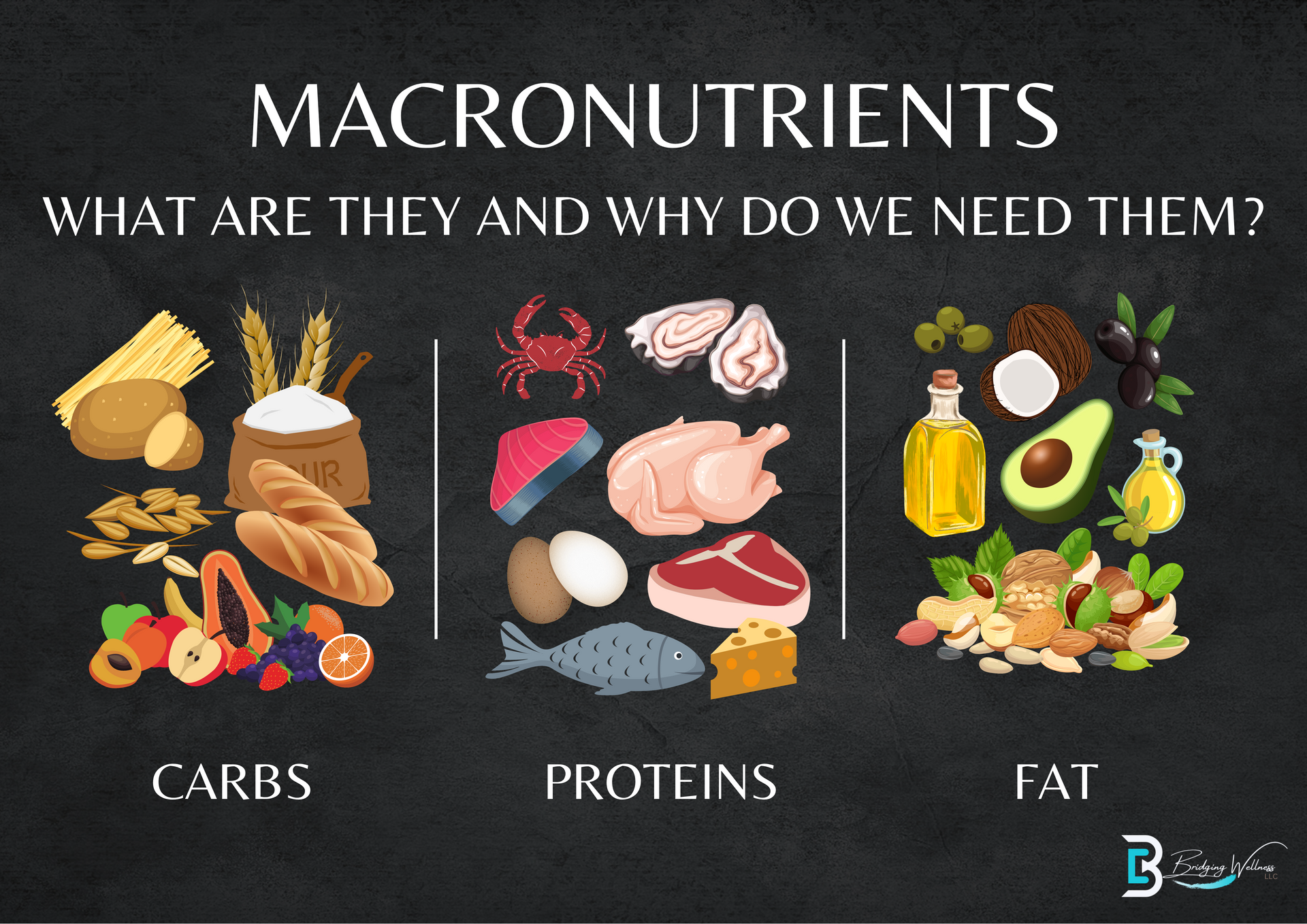
A Comprehensive Guide to Fueling your Life
By Crystal Thackston January 2, 2024
New Year, New Habits
By Crystal Thackston November 23, 2023
The Thanksgiving Fitness Truth
By Crystal Thackston November 7, 2023
Your Guide to Healthy Celebrations
By Crystal Thackston September 12, 2023
September 11 2001